Definitive Treatment for Acne Scars and Pitting: From Fractional CO2 Laser to Subcision in Kabul
Recovering from active breakouts or Acne (Jawanidana) is a great achievement for your skin’s health. However, for many of our patients at Arwin Skin Hospital, the real challenge begins after the acne clears up: persistent dark spots, redness, hyperpigmentation, and uneven, pitted textures on the face, clinically known as Acne Scars.
These skin irregularities can significantly impact a person’s self-esteem, especially among youth in Kabul. Fortunately, with advanced modern technology and customized combination treatment plans offered at Arwin Skin Hospital under the supervision of Dr. Mohammad Arif Abid, smoothing out your skin and permanently treating acne scars is no longer an impossible challenge.
Why Does Acne Cause Scarring and Pitting?
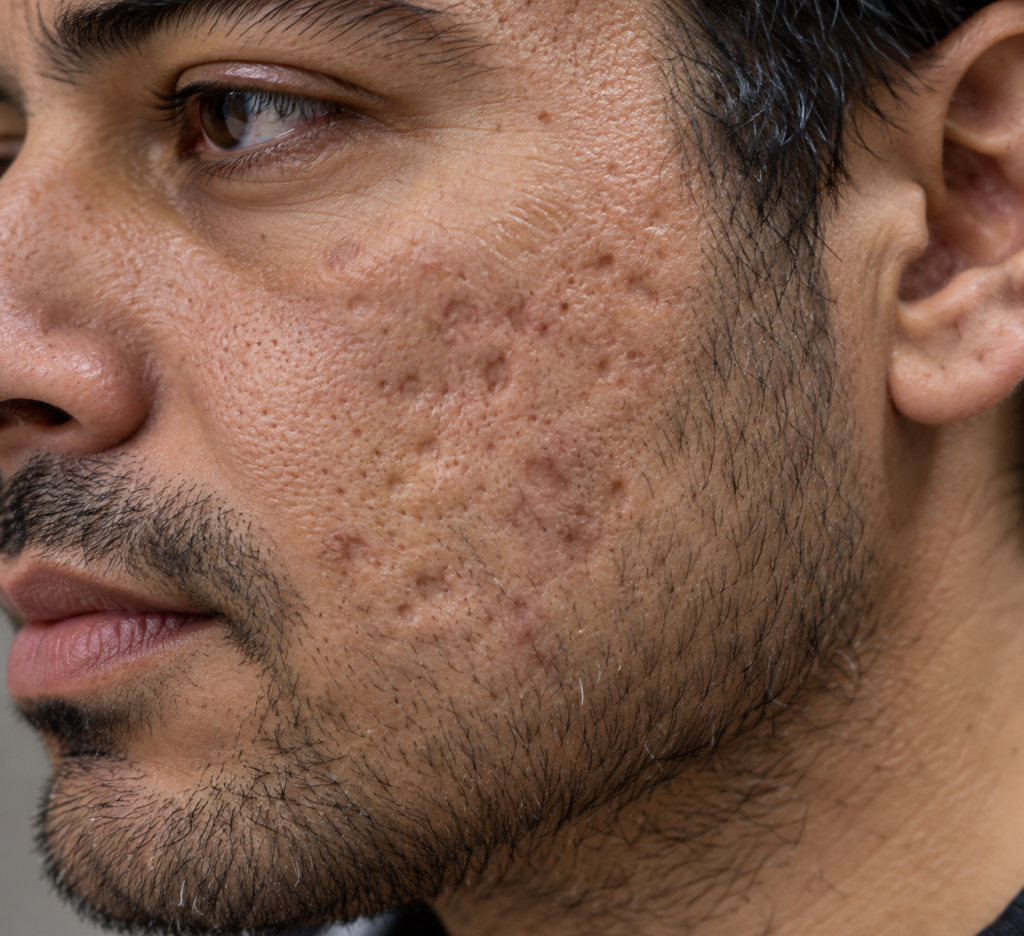
When acne blemishes are deep, cystic, and severely inflamed, they damage the surrounding skin tissues and destroy natural collagen. If a patient picks, squeezes, or pops the pimples, this tissue damage multiplies. While the skin attempts to heal itself, an underproduction of collagen results in depressions or pitting (atrophic scars), whereas an overproduction leads to raised tissue (hypertrophic scars).
Common Types of Acne Scars Seen in Patients:
- Ice Pick Scars: Small, deep, and narrow pits that make the skin look as though it has been punctured by a sharp instrument.
- Boxcar Scars: Broader, crater-like depressions with sharp, well-defined vertical edges.
- Rolling Scars: Wide, wave-like undulations across the skin caused by fibrous bands of tissue tethering the skin to deeper structures.
- Post-Inflammatory Hyperpigmentation/Erythema (PIH/PIE): Flat red, purple, or brown spots left behind by healed acne where the skin texture is not yet pitted.
A Crucial Advice from the Dermatologist:
Never start invasive clinical treatments like lasers or subcision while you still have active, inflamed acne on your face! The acne must first be completely controlled and treated before starting any clearing plan for the scars.
Modern Clinical Treatments for Acne Scars at Arwin Skin Hospital
Because most patients present with a combination of different scar types on their face, a single treatment modality rarely yields ideal results. At Arwin Skin Hospital, we utilize an advanced Combination Therapy approach to achieve optimal skin resurfacing:
1. Advanced Fractional CO2 Laser
This laser remains the global gold standard for treating deep pitted scars and skin textural issues. The fractional laser delivers microscopic columns of light deep into the skin, causing controlled micro-injuries to older, damaged tissues. This forces the skin to trigger a powerful collagen-remodeling process and generate new cells. Consequently, after a few sessions, the pits are lifted and the skin becomes visibly smooth and even.
2. Specialized Subcision Technique
For rolling and deep pitted scars, tough fibrous bands underneath pull the skin downward, preventing it from flattening out. During a subcision procedure, the doctor uses a specialized, fine needle (Nokor) to gently release these subcutaneous adhesions. Once freed, the skin immediately lifts up, significantly reducing the depth of the pits. This method is highly effective when combined with laser resurfacing or dermal fillers.
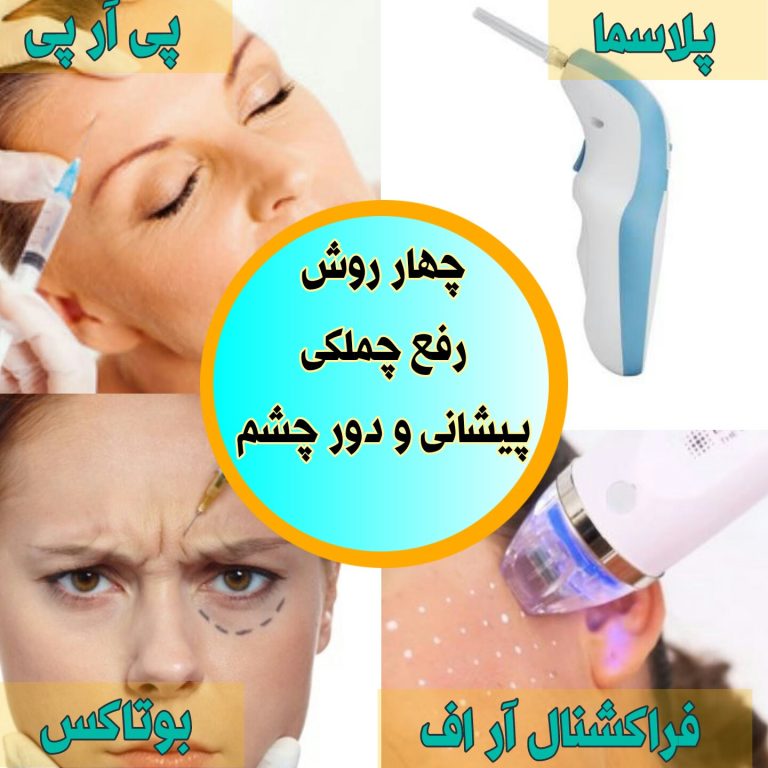
3. Microneedling RF (Radiofrequency)
This procedure delivers radiofrequency energy deep into the dermis through ultrafine, gold-insulated needles. The major advantage of Microneedling RF is that it carries an extremely low risk of post-inflammatory hyperpigmentation (PIH), making it highly safe for olive, tan, and darker skin tones which are very common in Afghanistan. It also offers a very short downtime (temporary redness).
4. Medical Chemical Peeling
For patients suffering primarily from red or brown post-acne marks without structural pitting, the application of standard, medical-grade chemical peels can exfoliate dead, pigmented surface cells over a few sessions, revealing a bright, clear, and spot-free complexion.
Essential Post-Treatment and Preventive Care
Fifty percent of the treatment’s success happens inside the clinic, and the other fifty percent depends entirely on your compliance and skin care at home:
- Sunscreen, Sunscreen, and Sunscreen! The skin becomes highly sensitive after lasers or subcision. Applying a broad-spectrum medical sunscreen every 3 hours is mandatory to prevent hyperpigmentation and dark spots.
- Avoid washing your face with harsh soaps or applying makeup for at least 48 hours post-procedure.
- Apply the prescribed healing, soothing, and barrier-repair ointments exactly as directed by the doctor.
- Never pick or scratch off any micro-crusts or peeling skin that forms after a laser session; allow them to shed naturally.
Conclusion
Acne scars are no longer a permanent burden. Thanks to state-of-the-art technologies such as the Fractional CO2 Laser and Subcision at Arwin Skin Hospital, you can regain your smooth skin texture and youthful radiance. Choosing the correct approach requires an in-person clinical examination and a precise diagnosis of your specific scar profile.
Make the Choice to Have Smooth Skin Again
If you are tired of living with the deep pits and dark marks of past acne on your face, take the first step today. To reserve an appointment and get a specialist consultation with Dr. Mohammad Arif Abid, contact our clinic lines or book your appointment online.
Our Address: Dehbori, Kabul, Afghanistan – Arwin Skin and Cosmetology Hospital